
Talking Rugby
More Than a Policy
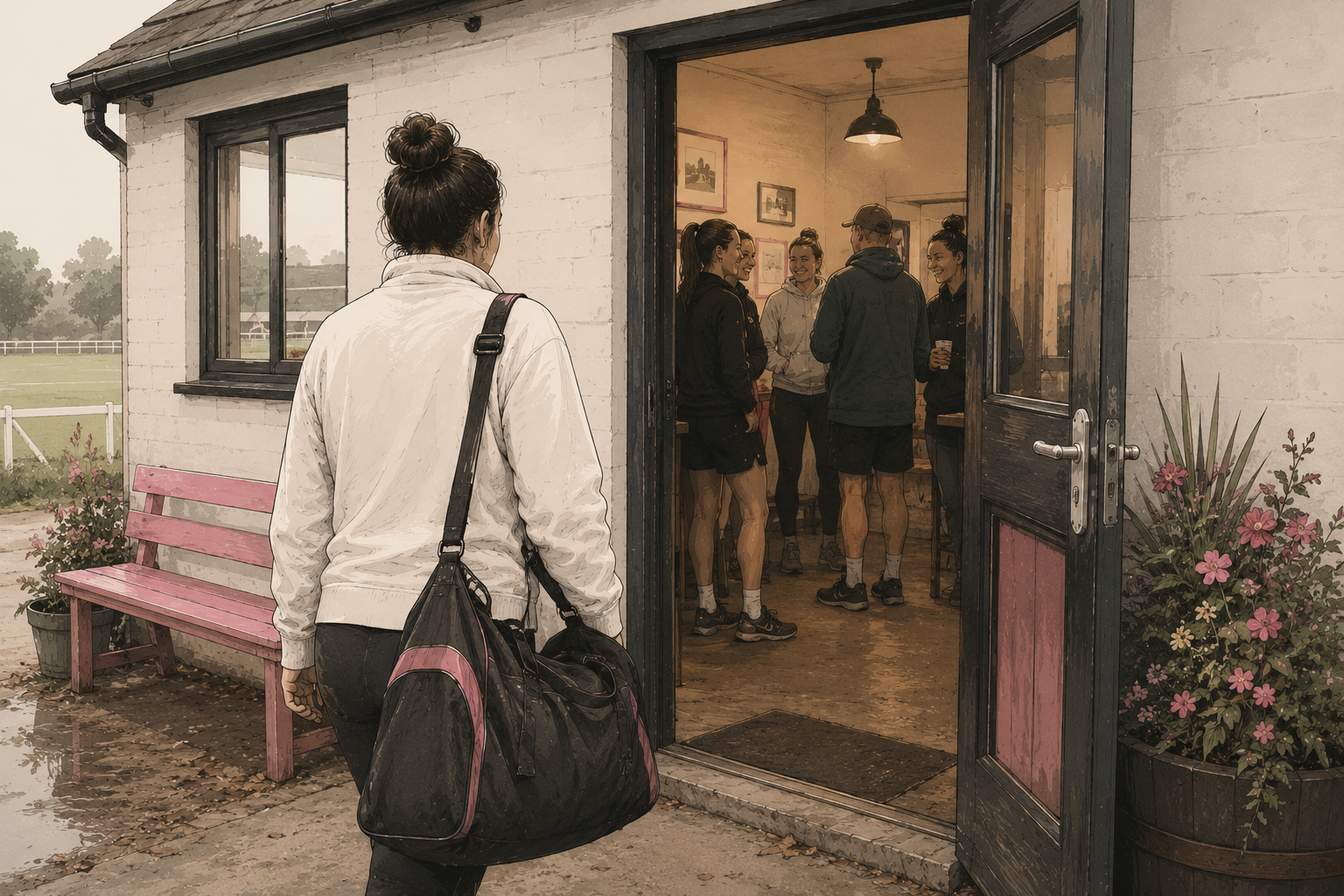
Every rugby club has a culture, whether it has consciously tried to create one or not.
It is there in the way a new player is welcomed on their first training night, in the language used in the changing room and in the confidence someone feels when they walk through the clubhouse door for the first time. It is there in the way coaches speak to players, the way teammates look after one another and the way volunteers make people feel that they are part of something rather than simply passing through it.
Culture is not something that exists only in a club's constitution or on a noticeboard. It is created, often quietly, by the people who make up the club.
That makes the RFU's new Way of the Rose vision particularly interesting. Announced in August 2026, the plan sets out the RFU's ambition to realise the social inclusion and environmental potential of rugby in England, with community clubs central to that ambition. The intention is not simply to grow the game, but to help create the conditions in which clubs can continue to thrive and have a positive impact on the communities around them.
It is an important distinction.
Growing participation is relatively easy to describe. Getting more people through the gate, more children into schools programmes or more players registered with clubs gives us numbers that can be measured. But numbers only tell part of the story. The more difficult question is what happens once somebody arrives.
Do they feel welcome?
Do they feel that the club is somewhere they can belong?
And, perhaps most importantly, do they have a reason to come back?
Those questions matter because rugby clubs are more than places where matches are played. They are social spaces, community organisations and, for many people, an important part of their identity. A club can provide friendship, confidence, routine and a sense of belonging that extends well beyond the pitch.
That is why inclusion cannot simply mean opening the door.
The door has to feel genuinely open.
A player who is invited to join a training session but spends the evening feeling like an outsider has technically been included, but the experience may tell them something very different. Equally, a club can have all the right policies in place and still have a culture that makes some people reluctant to return.
This is where the difference between policy and culture becomes important.
Policies have a purpose. They establish expectations, give people a framework to work within and provide clubs with guidance on issues that matter. The RFU's approach recognises that community clubs need resources and support if they are going to create the strongest possible foundations for future growth.
But a policy cannot greet a new player at the door.
It cannot notice that someone is standing on their own after training.
It cannot decide whether a joke has gone too far, whether a new volunteer feels valued or whether a player who has never played rugby before feels confident enough to come back next week.
People do that.
And that is where the everyday culture of a club becomes so important.
The most meaningful changes are often the least visible. They happen when an experienced player takes the time to explain something rather than assuming everyone already understands it. They happen when a coach creates an environment in which questions are encouraged rather than dismissed. They happen when volunteers recognise that the person making the tea, running the junior section or helping behind the scenes is just as much part of the club as the players on the pitch.
None of those moments are likely to make a national headline.
Collectively, however, they determine what a rugby club feels like.
There is also a wider question about who gets to see themselves in rugby's future. Women's rugby has demonstrated what can happen when opportunities are created and people are given the chance to participate, develop and lead. The progress of the women's game has not happened because of one decision or one strategy. It has been built by thousands of people creating teams, coaching players, volunteering, organising competitions and encouraging the next person to get involved.
That same principle applies across the game.
If rugby is serious about becoming more inclusive, responsibility cannot sit entirely with the RFU or with individual club committees. The governing body can provide the framework and the resources, but the experience of rugby is ultimately created at ground level.
It is created on Tuesday evenings and Saturday mornings.
It is created by coaches, players, parents, volunteers and supporters.
And it is created in all those small interactions that rarely appear in a strategy document but which can make the difference between someone deciding that rugby is not for them and deciding that they have finally found somewhere they belong.
Perhaps that is the real test of the Way of the Rose over the years ahead.
Not simply how many plans are published, how many initiatives are launched or how many targets are reached, important though those measures may be.
The more meaningful measure may be much simpler.
Someone walks into a rugby club for the first time.
They look around.
They meet some people.
They give it a try.
And when they leave, they are already thinking about coming back.
Because ultimately, an inclusive rugby club is not one that simply tells people they are welcome.
It is one that makes them feel it.
FIND OUT MORE:
The RFU's Way of the Rose sets out its vision for a more inclusive and sustainable future for rugby in England.