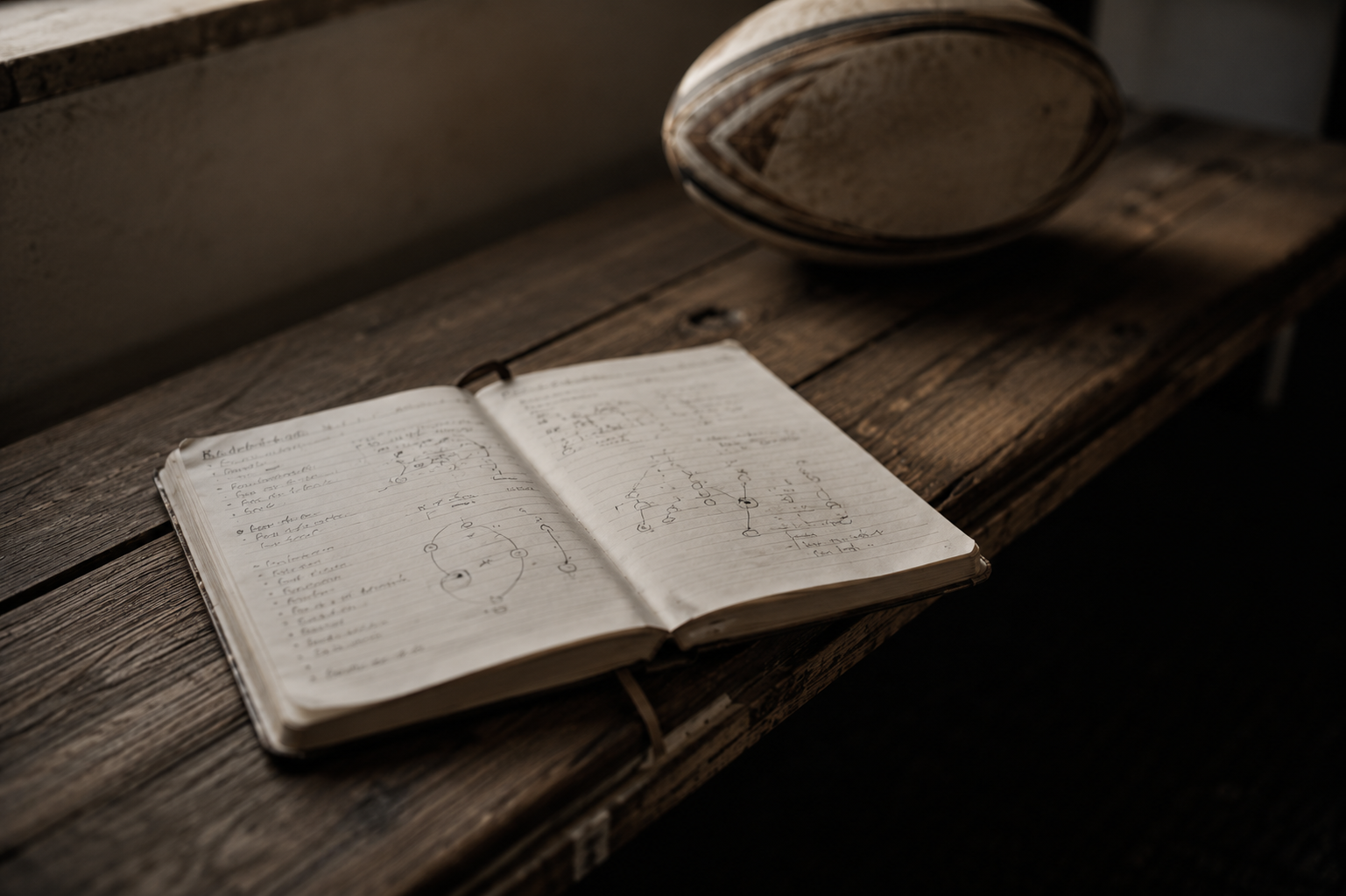
More Than Matchday
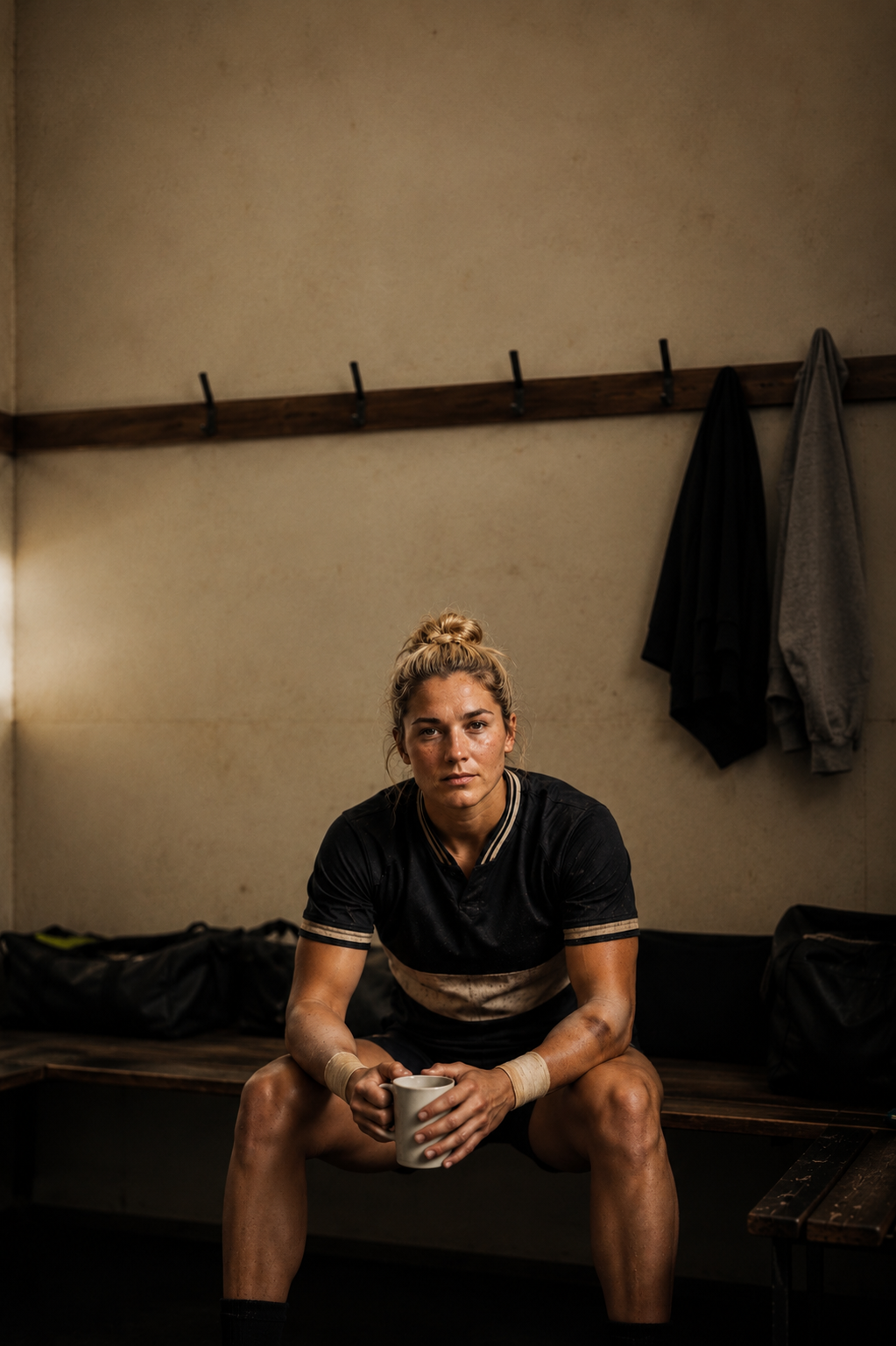
Cover Feature
The friendships, rituals and moments that make rugby impossible to leave behind.
Nobody remembers the score from three seasons ago. Nobody can tell you the exact date of the match, or who kicked the conversion, or what the weather was doing in the second half. But ask any rugby player about that season and something else surfaces immediately. The away trip where the minibus broke down outside Coventry. The teammate who always brought the wrong boots. The post-match curry that turned into a four-hour conversation about everything except rugby
The stuff that doesn't make the match report. The stuff that makes it impossible to leave..
Nobody Stays For The Tries
There's a version of women's rugby that exists in highlight reels and Six Nations coverage. Big crowds. Big moments. Players you recognise from billboards and breakfast television. It's real, and it matters, and it's something women's rugby has earned after decades of being treated as an afterthought.
But that's not why most women play.
Ask a grassroots player why she started and the answer is usually simple. A friend dragged her along. A university freshers' fair. A moment of curiosity that turned into a Tuesday evening, then a Sunday morning, then somehow the whole weekend.
Ask her why she stayed and the answer gets harder to explain.
It's not the tries. It's not the trophies. Most clubs at grassroots level aren't winning leagues or producing internationals. The pitches are sometimes questionable. The changing rooms have seen better decades.
And yet the retention rate in women's rugby is remarkable. Players who come for a season stay for ten. Women who joined knowing nothing become coaches, referees, committee members, the person who drives the minibus and still somehow makes it to work on Monday morning.
Something is keeping them there. And it isn't the tries.
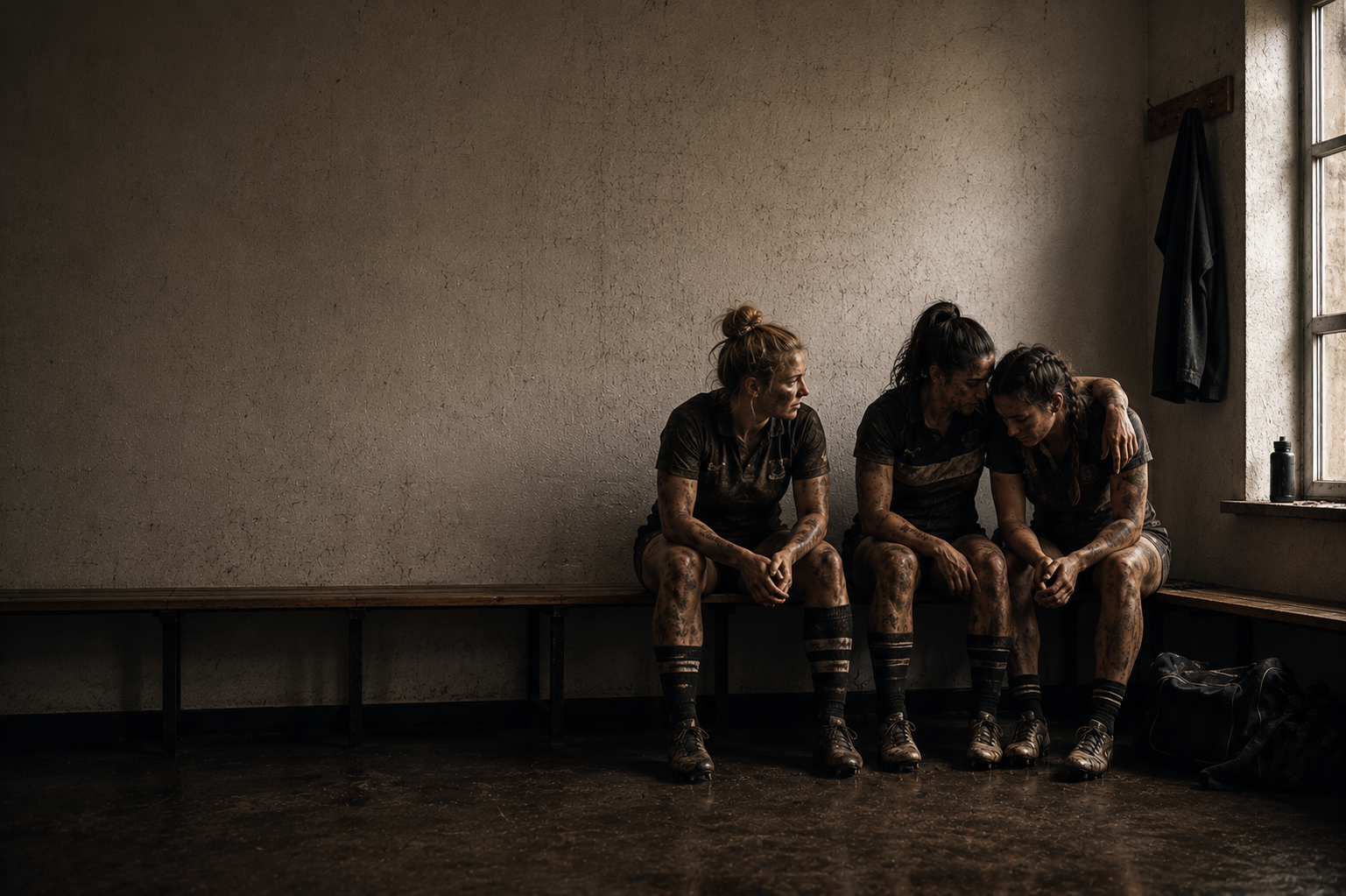
“Rugby builds a community that looks, from the outside, like sport.”
The Things We Don’t Put In The Team Photo
The team photo captures fifteen players in a line. Shirts tucked in. Someone squinting into the sun. The coach looking slightly uncertain about what to do with their hands.
What it doesn't capture is everything else.
The WhatsApp group that has been active since 2019 and has somehow become the primary social infrastructure of at least six women's lives. The car journey to an away fixture that turned into an impromptu life coaching session at sixty miles an hour on the M6. The player who started coming to training after a difficult year and didn't say much for three months and then one Tuesday evening laughed so hard that something quietly shifted.
Rugby builds community that looks, from the outside, like sport. From the inside it's something else entirely. It's the coffee after training that runs forty minutes longer than anyone planned. The away trip tradition that cannot be explained to anyone who wasn't there and doesn't need to be because everyone who was there already knows.
These are the invisible parts of rugby. They don't appear in league tables or match reports. They exist in the spaces between the game.
They are, quietly, the whole point.
THE THINGS EVERY RUGBY PLAYER KNOWS
One player joined planning to stay six weeks. Eight years later she is club secretary, vice-captain, and owns three waterproof jackets she doesn't remember buying.
Your kit bag contains at least one mystery item.
Somebody else's boots live in your car.
The WhatsApp group is legally binding.
The post-match chips matter.
Athletic tape reproduces when left unattended.
You've explained offside. Nobody understood.
You tried again.
The Quiet Moments
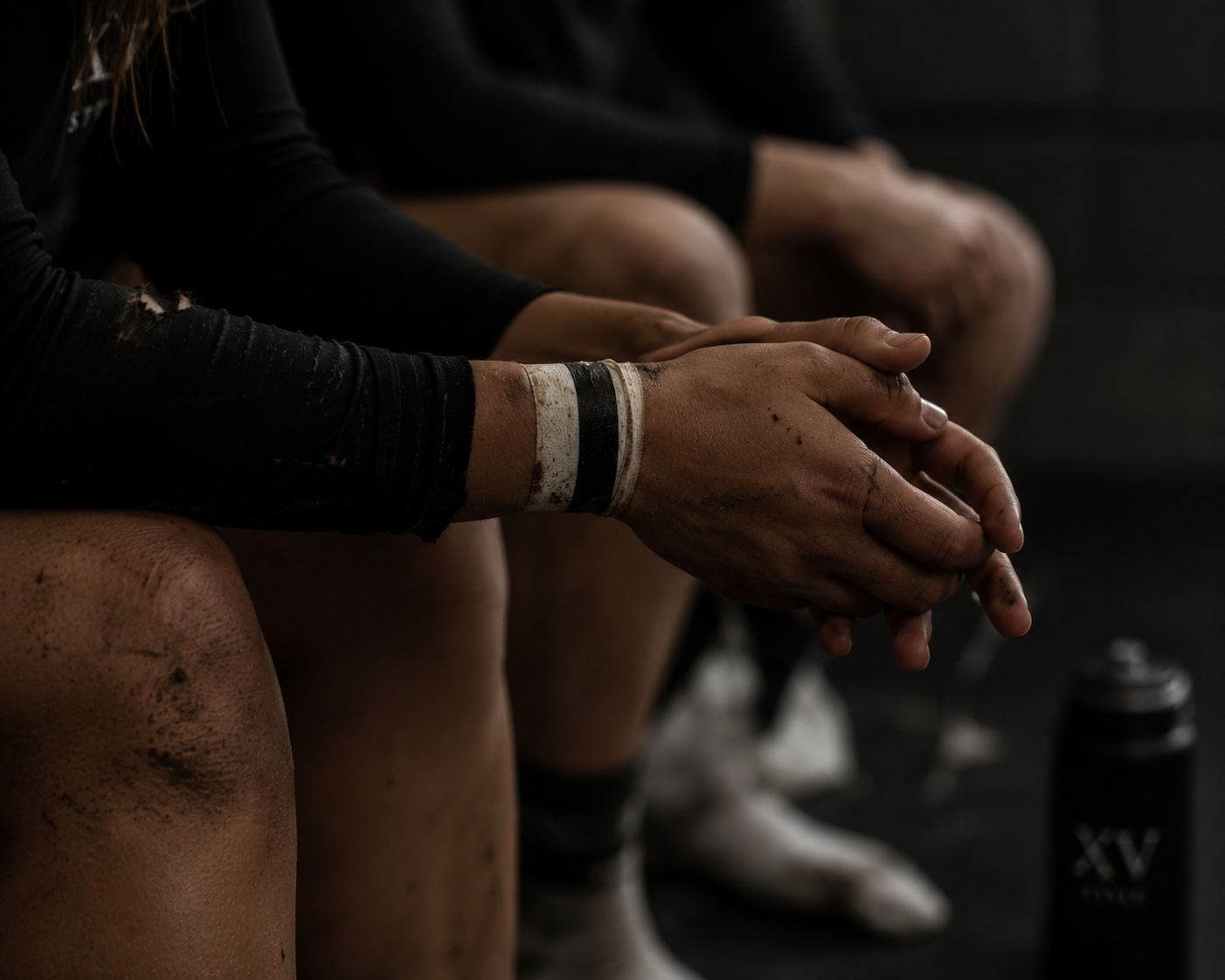
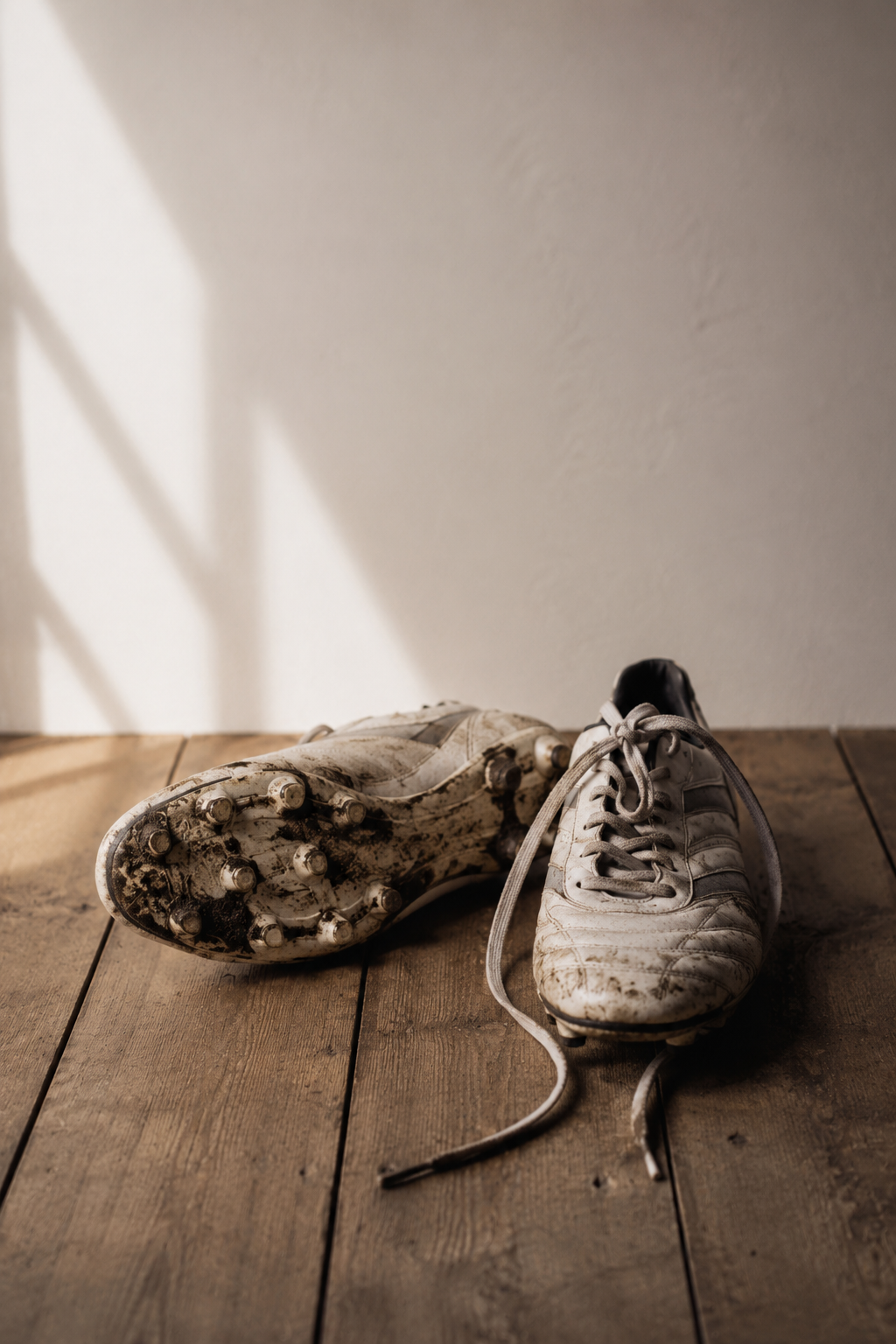
Taped wrists before a match. The specific weight of a gumshield in a shorts pocket. Boots left by the door still carrying last Sunday's mud.
Rugby has a texture that exists outside the ninety minutes. It lives in the small rituals that accumulate over seasons until they become as familiar as anything else in a week. The Wednesday evening drive to training. The particular silence of a changing room ten minutes before kick-off. The first coffee afterwards when everything aches pleasantly and nobody is in any hurry.
These are the moments that don't photograph easily and don't translate well into words but exist, vividly, in the memory of anyone who has played for long enough.
This is the texture of rugby life. Not the scoreboard. Not the league table. The quiet, ordinary, irreplaceable texture of showing up week after week for something that matters more than it probably should.
“Most matches are forgotten. The people don’t fade.”
Why We Stay
Nobody stays because of the weather. November in England is not a compelling argument for outdoor sport. Nor is the cost, which is real. Nor the time commitment, which somehow expands to fill whatever space is available until rugby is no longer something you do but something you are.
And yet people stay. Through injuries and moves and new jobs and difficult seasons. Through years when everything clicks and years when it all falls apart. They stay when it would be entirely reasonable to stop.
Why?
The honest answer, given enough time and enough post-match honesty, tends to sound like this.
Because I found my people.
It sounds simple. It is simple. Women's rugby has a particular gift for producing communities that feel, from the first session, like somewhere you were supposed to end up. There is something about the shared physical effort, the shared vulnerability of learning something new, the shared absurdity of the whole endeavour that creates intimacy quickly. You cannot be guarded and play rugby. The game requires too much of you for that.
What grows in that space is something that doesn't have a clean name. Belonging, maybe. The particular belonging that comes from being known, properly known, by people who have seen you at your least composed and most muddy and still saved you a seat at the table afterwards.
That's why we stay. Not for the tries. Not for the trophies. For the person who texts to check you're okay after a hard match. For the Tuesday evening when you didn't want to go and went anyway and came home feeling, inexplicably, like yourself again.
Rugby gives women a lot of things. But the thing it gives most reliably, most stubbornly, across decades and divisions and all the variables of a sporting life, is this.
A place to belong.

The Final Whistle
Most matches are forgotten. The scores fade, the seasons blur, the league tables change.
The people don't fade.
The woman who drove you home after your first match. The teammate who has played through things that would have stopped most people and keeps turning up anyway. The coach who saw something in you before you saw it yourself.
Women's rugby is growing. The stadiums are filling, the players are becoming the household names the sport has always deserved. All of that matters.
But the heart of the game has always been here. In the quiet moments before kick-off and the long evenings after. In the communities built on cold Tuesday nights in places nobody has heard of. In the stubborn, joyful, completely irrational decision to keep showing up.
More than matchday.
That's what this has always been.
— XV Editor